
GUIDE
EV Charging Guide
It’s simple to charge an electric vehicle once you know the basics. From choosing the right charger to finding a charging station nearby, knowing how EV charging works will enable you to charge more efficiently and better protect the battery in your vehicle.
Bharat Charge simplifies EV charging with a connected charging network that allows you to find available stations, see station details, start charging sessions and track your charging activity on the app.
Chargers
Types of EV Chargers
The right charger depends on your vehicle, battery capacity, available electrical infrastructure, and how quickly you need to charge.
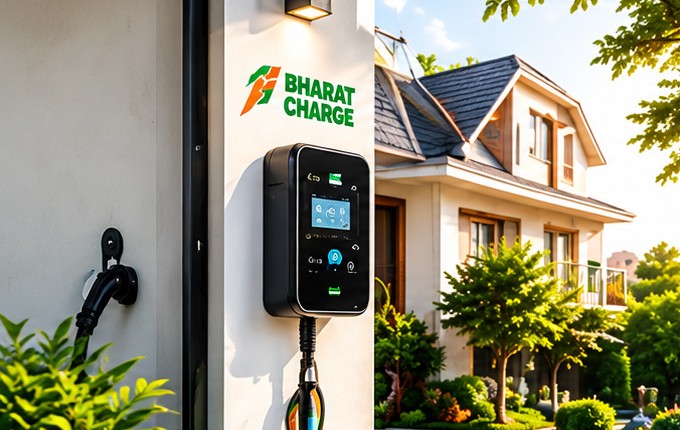
AC Slow Charging
AC slow charging is generally used for homes and overnight charging and provides power levels at a lower rate ( ~3.3 kW or 7.4 kW ) . A full charge can take a few hours to overnight depending on the vehicle and battery size.
Power :- 3.3 kW or 7.4 kW
Charging Time :- Few hours to overnight
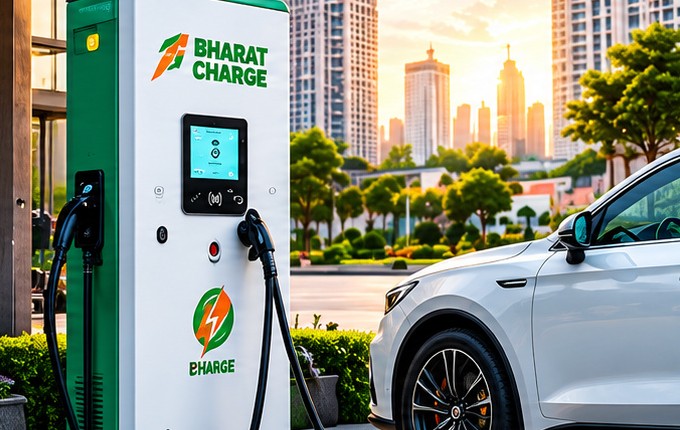
AC Fast Charging
AC fast chargers are typically rated at approximately 11 kW to 22 kW. They are suitable for suitable electrical capacity residential homes, apartments, workplaces and commercial parking areas. Charging time is typically in the range of 2-6 hours, depending on the vehicle’s onboard charger and battery size.
Power :- 11 kW or 22 kW
Charging Time :- 2 - 6 hours
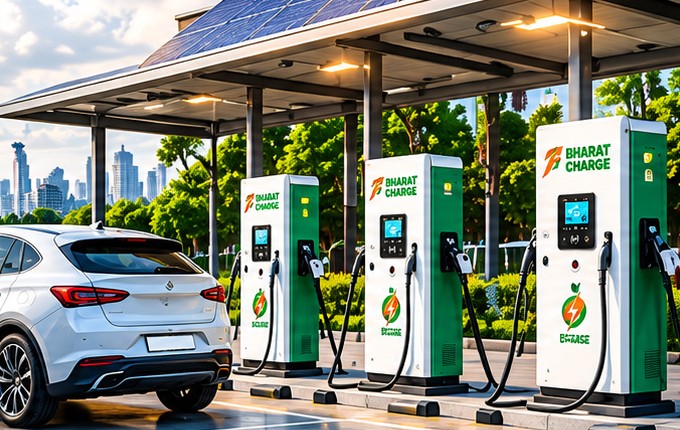
DC Fast Charging
DC fast chargers charge directly into the vehicle battery and are built for much faster charging. Depending on the vehicle and the charger, a significant battery top-up can take anywhere from 30 minutes to an hour or so. Bharat Charge is a promoter of high-speed DC charging infrastructure for public and commercial use.
Power :- 50 kW or 350 kW+
Charging Time :- 30 minutes to 1 hours
- Important: Actual charging time varies based on battery size, vehicle charging capability, battery temperature, starting state of charge, and charger capacity.
Connectors
EV Charging Connectors Used in India
Different connectors are used by different electric vehicles. The type of connector will tell you which charging station will work with your EV.
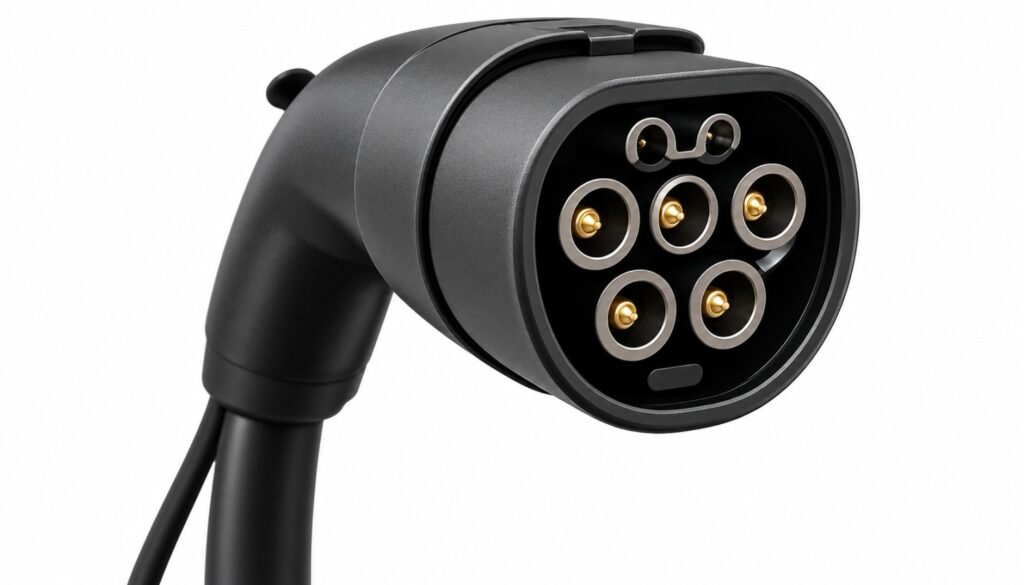
Type 2
Typical Use
AC charging
Common Application
Widely used by modern passenger EVs
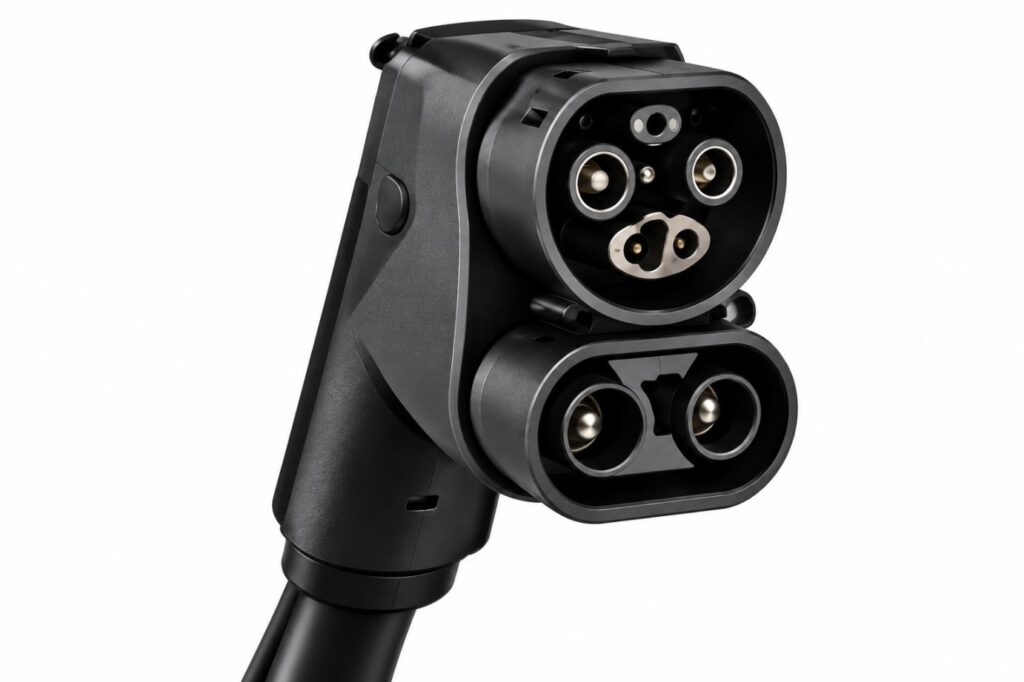
CCS2
Typical Use
DC fast charging
Common Application
Commonly used by modern electric cars and SUVs
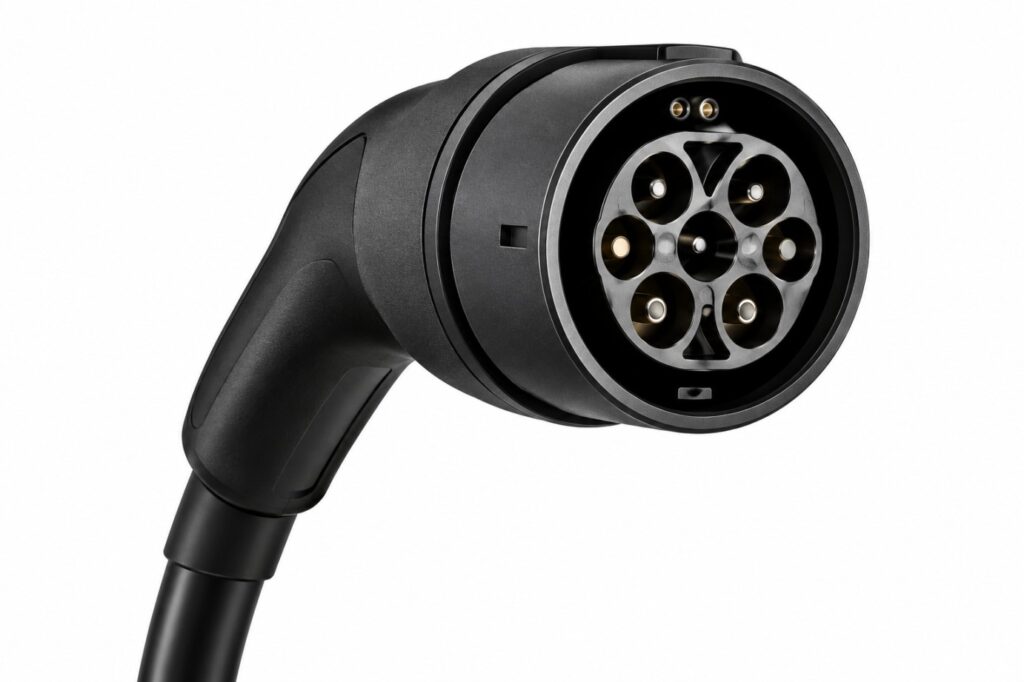
GB/T
Typical Use
AC/DC charging
Common Application
Used by compatible EV models, particularly some Chinese-origin vehicles
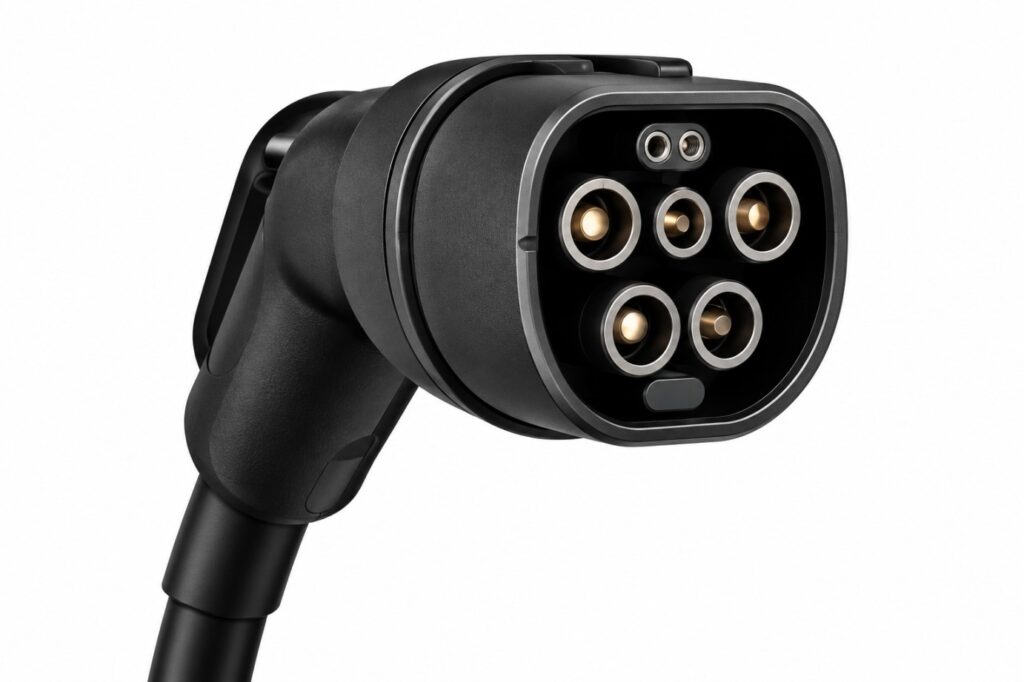
Bharat AC001
Typical Use
AC charging
Common Application
Indian-standard charging infrastructure, particularly older/compatible EV applications
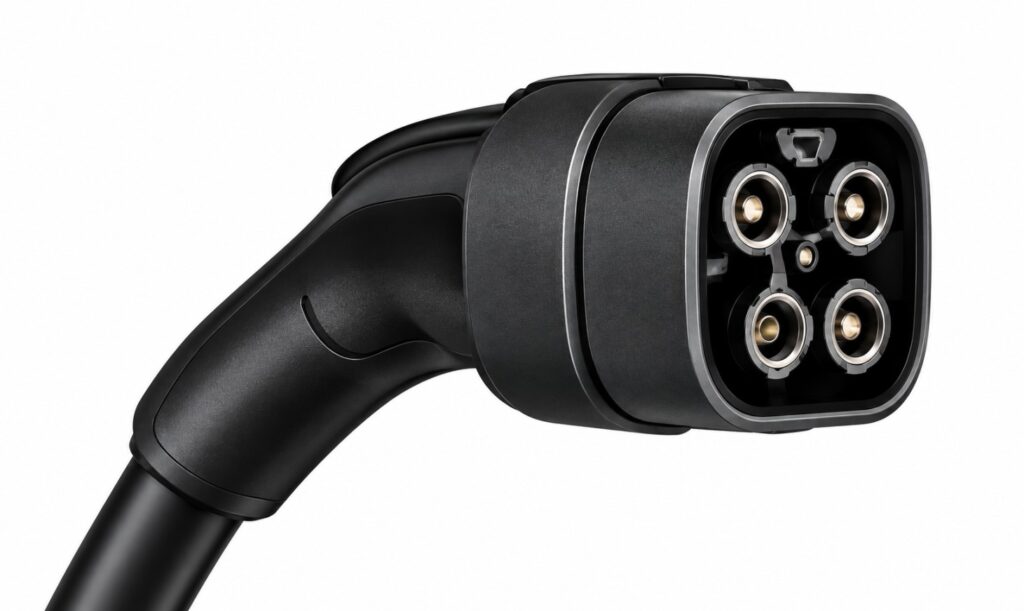
Bharat DC001
Typical Use
DC charging
Common Application
Indian-standard low-voltage DC charging for compatible EVs
- Passenger EVs in India generally use Type 2 for AC charging and CCS2 for DC fast charging. The Bharat AC001 and DC001 are the Indian standards for charging, which are used for certain vehicles and infrastructure.
Step By Step
How to Charge at Bharat Charge Station
Charging at a Bharat Charge station is designed to be simple and app-driven.
1. Find a Charging Station
Launch the Bharat Charge app and use the station map to locate a nearby charging station. The app can help you find charging sites and get data about the stations.
2. Check Availability
Choose a station to view its status and available charging options. Bharat Charge uses indicators to show the status of a charging station, whether available, occupied or not available, which helps the drivers to identify them.
3. Connect Your EV
Park in the charging bay and connect your vehicle to the compatible charger and connector.
4. Start Your Charging Session
Choose the charger via Bharat Charge app and initiate the charging session using the available charging-start option.
5. Monitor Your Session
Keep track of your charging session using the app. Bharat Charge also provides alerts for charging status and interruptions.
6. Stop and Disconnect
Once your desired charge level is reached, terminate the session, safely unplug the charging connector and move your vehicle out of the charging bay.
TIPS
Tips for Better EV Battery Care
Good charging habits can help you maximise the life of your EV battery.
Charge to about 80% for daily driving
If you drive every day, you don’t have to top it off to 100% all the time. Observe your vehicle manufacturer’s limits for charging.
Utilise DC fast charging when you need it
DC fast charging is particularly useful for road trips and quick top-ups, but charging regularly at high power could create excess heat. Use as recommended by your vehicle manufacturer.
Don’t let the battery get too low on a regular basis
If you plan your charging before the battery gets very low, everyday ownership of an EV is much easier.
Follow your vehicle manufacturer’s recommendations
EV models are different in terms of charging limits, battery chemistry, thermal management and recommended practices.
Find Your Next Charge with Bharat Charge
With Bharat Charge, it is simple to find and use EV charging infrastructure. Find charging stations, check availability, view station details, start charging sessions, and receive charging notifications.
Whether you’re charging first thing in the morning, taking a break on a road trip, or looking for a nearby station, Bharat Charge keeps you connected to your charging network.
Download the Bharat Charge app and find your nearest charging station today.